Jiahui Reports First International Patient T-Cell Collection After China's Approval of Solid-Tumor CAR-T Therapy
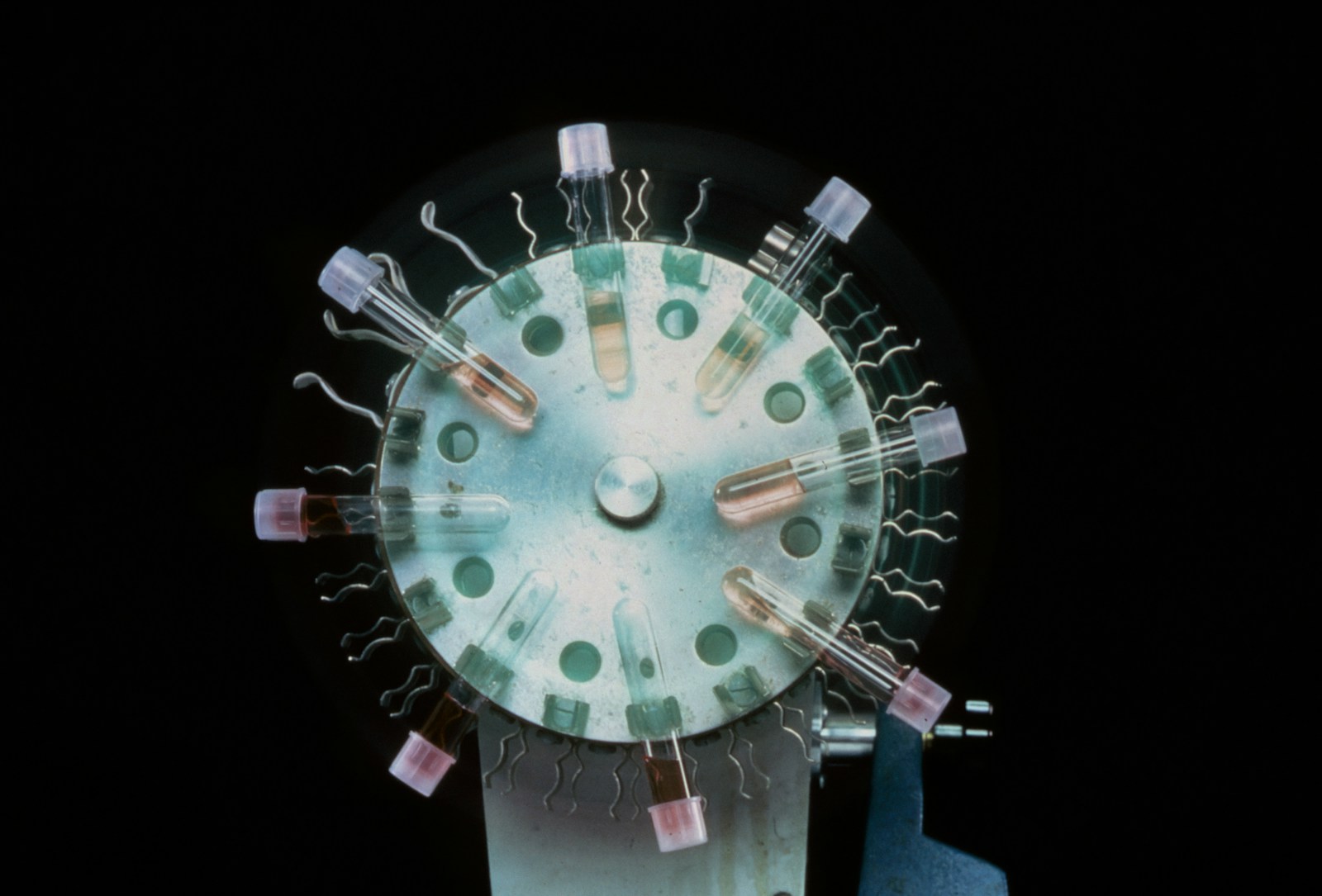
Tissue culture equipment in a laboratory setting, representing cell-therapy preparation and oncology research infrastructure. Image: National Cancer Institute / Unsplash.
Quick Answer / What Happened
Jiahui International Cancer Center's official website states that Satri-cel, also known as CT041, was approved by China's National Medical Products Administration as a CAR-T therapy for Claudin18.2-positive, HER2-negative advanced gastric or gastroesophageal junction adenocarcinoma in patients who have failed at least two prior lines of therapy.
A July 6, 2026 post published by Shanghai Jiahui International Hospital on DXY HospitalHub reported that Jiahui International Cancer Center in Shanghai had completed T-cell collection for a 59-year-old male patient from New Zealand. The post described this as the first international patient in China to complete T-cell collection for the approved solid-tumor CAR-T product.
Why This Matters
This update is important because it connects two related developments: the official approval of CT041 / satri-cel in China and an early reported international-patient pathway at Jiahui International Cancer Center.
Jiahui's official website describes the approval as a milestone for solid-tumor CAR-T treatment and states that the therapy is indicated for a specific group of patients with Claudin18.2-positive, HER2-negative advanced gastric or gastroesophageal junction adenocarcinoma after at least two prior lines of therapy.
The DXY HospitalHub post from Shanghai Jiahui International Hospital adds a practical detail: one international patient traveled to Shanghai and completed the first step in the CAR-T treatment process, T-cell collection, at Jiahui International Cancer Center.
What The Source Reported About The Patient Pathway
According to the Shanghai Jiahui International Hospital post on DXY HospitalHub, the patient had previously been diagnosed with gastric-duodenal adenocarcinoma and had received standard treatment in New Zealand. The post stated that the treatment effect was limited, the tumor continued to progress, and the patient had limited remaining options locally.
After the patient contacted Jiahui International Cancer Center, the post stated that the center's team recommended Claudin18.2 and HER2 target-expression testing in New Zealand before travel. According to the post, the patient's Claudin18.2 expression level reached 95%, which the article described as matching the therapy's indication.
The post also noted that the patient used the 30-day visa-free entry policy available to New Zealand citizens at the time and then traveled to Shanghai for treatment review and cell collection. This travel detail is part of the reported case and should not be read as a standard timeline for other patients.
Why Jiahui International Cancer Center Is Relevant In This Report
Jiahui's official website states that Jiahui International Cancer Center offers comprehensive oncology services across medical oncology, surgical oncology, radiation oncology, precision medicine, and advanced cellular therapies. It also describes the center's support for international patients, including medical record review, specialist consultations, multilingual coordination, treatment planning, logistics assistance, and follow-up care.
The DXY HospitalHub post quoted Dr. Xuan Linli, director of medical oncology at Jiahui International Cancer Center, as saying that the center had established a process covering testing evaluation, cell collection, infusion management, and adverse-reaction monitoring. She also described the center as integrating hospital resources to support individualized CAR-T treatment planning.
CareNavigator is summarizing the published source materials here. This should not be read as CareNavigator's independent evaluation of the hospital, physician, or treatment pathway.
What T-Cell Collection Means In The CAR-T Process
The DXY HospitalHub post described T-cell collection as the first step in the CAR-T treatment process. After collection, cells must be prepared before the patient can receive infusion. The post stated that the patient would continue later treatment under multidisciplinary management at Jiahui International Cancer Center.
Jiahui's official website also describes CAR-T treatment as a staged process involving cell collection, cell engineering, cell expansion, and reinfusion. For families reading this update, the key point is simple: CAR-T treatment is not only a drug approval headline. It may involve eligibility review, target testing, cell collection, product preparation, treatment planning, infusion, monitoring, and follow-up. The exact process depends on the treating team and the individual case.
What International Patients Should Understand
This update may be relevant for international patients with gastric or gastroesophageal cancers who are trying to understand whether China-based advanced oncology pathways are worth reviewing. But the reported pathway is highly specific.
Patients should not assume that having gastric cancer, being outside China, or reading about CT041 means they are eligible. The source materials describe a specific indication and, in the reported patient pathway, target-expression testing before travel, including Claudin18.2 and HER2. Eligibility and timing depend on diagnosis, pathology, prior treatment, disease status, organ function, target expression, hospital pathway, product availability, and clinical review.
For patients from New Zealand and other Asia-Pacific markets, this update also shows why China's oncology developments are becoming more visible internationally. In selected cases, China may be worth including in a treatment-option review when a newly approved therapy is relevant to a target or disease pathway.
What This Does NOT Mean
This report does not mean CT041 / satri-cel is suitable for every patient with gastric, gastroesophageal, or other solid tumors.
It also does not mean treatment access, hospital acceptance, treatment timing, cost, clinical benefit, or outcome can be assumed. The article describes one reported international patient pathway at one institution, beginning with T-cell collection. Treatment decisions must be made by qualified physicians and the responsible medical institution after individual review.
How CareNavigator Can Help Patients Evaluate Relevance
CareNavigator can help patients and families turn this kind of news into practical next steps. For a patient considering whether a China CAR-T or advanced oncology pathway may be relevant, that may include clarifying the diagnosis, treatment history, pathology, imaging, current disease status, prior systemic therapy, and target-expression results such as Claudin18.2 and HER2 when available.
CareNavigator can then help patients understand which China-based hospital, specialist, or treatment pathway may be worth reviewing, coordinate case review with appropriate medical providers, and support the broader journey if China becomes a serious option. CareNavigator does not determine eligibility, recommend a CAR-T product, or make treatment decisions. Those decisions belong to qualified doctors and responsible medical institutions.
Tell us your situation. If your family is exploring whether a China-based CAR-T or advanced oncology pathway may be relevant, CareNavigator can help you prepare the case, ask better questions, and coordinate next steps with appropriate medical providers.
Related CareNavigator Resources
- Why China
- How CareNavigator Helps
- Pathways Decision Library
- China Advanced Treatment Updates
- China Treatment Navigation Guide
- China Approves Claudin18.2 CAR-T for Advanced Gastric Cancer
- CAR-T Treatment in China: Cost, Eligibility, and Pathway
- CAR-T Cell Therapy in China
Source-Led Update Note
This article summarizes publicly available official and hospital-origin source materials from Jiahui Health / Jiahui International Cancer Center and Shanghai Jiahui International Hospital's DXY HospitalHub post. It is not CareNavigator's independent clinical assessment of CT041 / satri-cel, Jiahui International Cancer Center, or CAR-T therapy. It should not be read as medical advice for any individual patient. Patient eligibility, risks, benefits, availability, cost, and treatment decisions should be assessed by licensed clinicians and the responsible medical institution.
Primary source: Jiahui International Cancer Center / Jiahui Health official website, published on 2026-06-22. Original URL: https://www.jiahui.com/en/news/214
Supplemental source: Shanghai Jiahui International Hospital post on DXY HospitalHub, published on 2026-07-06. Original URL: https://y.dxy.cn/hospital/3069/1075192.html