Shanghai Reports First Post-Approval Implant of NEO Brain-Computer Interface System
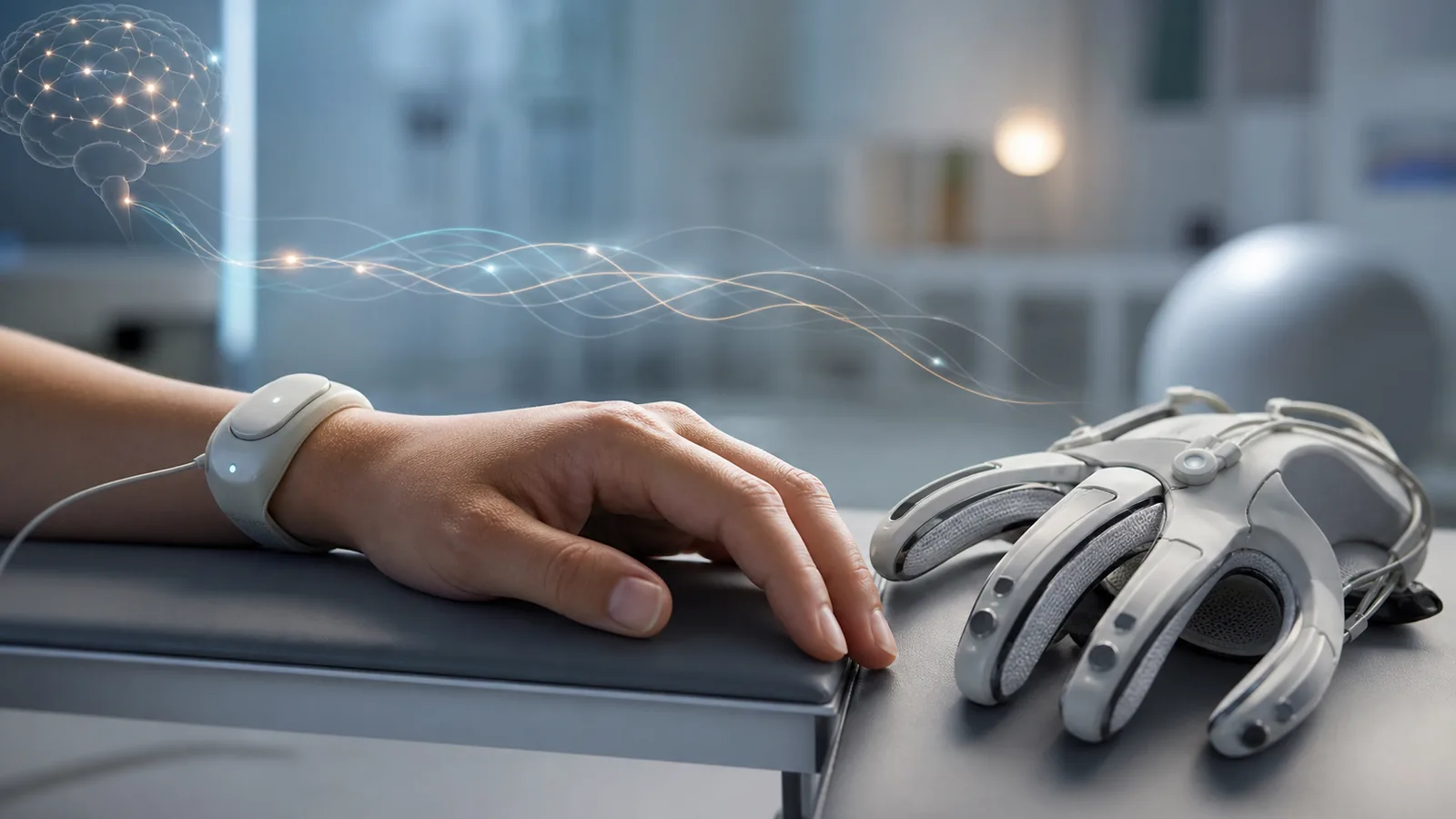
Original CareNavigator-generated editorial image.
Quick Answer
According to a Wenhui Daily report, Huashan Hospital in Shanghai completed the first implantation of the NEO system after the device received market approval. The report described NEO as the world's first approved implanted brain-computer interface system for hand-movement functional compensation. The reported recipient was a 37-year-old man with long-term spinal cord injury and severe impairment in hand-grasp function.
What the Report Described
The report said the patient had lived with the effects of a spinal cord injury for around a decade after a traffic accident. Although he had continued rehabilitation, he described his recovery as reaching a plateau and his everyday life as becoming much more limited.
In April, he saw a Huashan Hospital recruitment notice shared within a spinal-cord-injury peer group. After registering and submitting a hand-function assessment video, he was told that he met the conditions for surgery, according to the report.
The patient was admitted in early July. Wenhui Daily reported that the implantation was completed on July 13, making him the first person to receive the device after its market approval.
What Comes Next
The report made clear that the procedure was not the end of the pathway. At the time of publication, the system had not yet been activated. A Huashan Hospital neurosurgeon told the newspaper that activation was expected after roughly one month, followed by engineering adjustment and daily rehabilitation training at home.
The patient spoke about practical hopes: regaining more hand movement, learning to manage stairs again, and widening the small radius of daily life that his injury had imposed. The report also described his wish to share future rehabilitation progress with others living with spinal cord injury.
Why This Update Matters
This reported first post-approval implantation is a visible sign of China's progress in moving a domestically developed advanced medical device from research and regulatory approval into early clinical use. It also shows that complex innovation pathways can involve neurosurgery, rehabilitation, engineering support, and sustained post-procedure training, rather than a single intervention.
For international families following China's advanced-treatment developments, the useful question is whether a reported pathway is relevant to the patient's diagnosis, current condition, rehabilitation needs, and ability to complete follow-up. CareNavigator can help families organize those questions, compare appropriate China-based expert pathways, and coordinate a broader review process. Eligibility and treatment decisions remain with the responsible medical teams.
What This Does Not Mean
This is one reported early post-approval case. It does not establish expected outcomes for other people with spinal cord injury, and it does not mean the system is appropriate or available for every patient. The report also described activation and rehabilitation as future stages of this patient's own pathway.
If your family is following an advanced treatment development in China and wants to understand whether it may be relevant, tell us your situation. CareNavigator can help you prepare a case for informed conversations with appropriate medical teams.
Related CareNavigator Resources
- China Advanced Treatment Updates
- China Brain-Computer Interface Research and Spinal Cord Injury
- Pathways Decision Library
- Why China
- How CareNavigator Helps
- China Treatment Navigation Guide
Source Notes
This source-led update is an editorial rewrite of a Wenhui Daily report. It summarizes the reported facts in new English-language wording and does not reproduce the original article. The report's clinical information has not been independently evaluated by CareNavigator.
Primary source: Wenhui Daily report published via Shangguan News on July 15, 2026.