Guangzhou Concord Reports Skull-Base Proton Therapy for Olfactory Neuroblastoma
Source-led CareNavigator update on proton therapy and skull-base tumor treatment planning in China.
Quick Answer / What Happened
According to a Guangzhou Concord Cancer Center / Guangzhou Taihe-related official WeChat article, the center reported completion of a skull-base proton therapy case for olfactory neuroblastoma. The report described the case as a nationally first-reported skull-base proton therapy case for this tumor type (as characterized in the source report, not independently confirmed by CareNavigator), and framed proton therapy as a precise treatment approach used around sensitive structures near the skull base and orbit.
The report's headline stated that the treatment used an international advanced technology and helped preserve the patient's eye. This article summarizes the source report only and does not independently assess the medical claim.
Why This Matters
The source report explained that the skull base is close to important structures including the nasal cavity, eyes, and brain. When a tumor is located in this area, the report described treatment planning as requiring careful balance: the tumor area needs adequate treatment while surrounding sensitive organs require protection.
According to the report, olfactory neuroblastoma can occur in the nasal cavity and skull-base region. The source described the case as involving a difficult location where conventional treatment planning required attention to tumor control and organ preservation.
What International Patients Should Understand
The report presented proton therapy as the treatment method used in this case because of its precision around the skull base and nearby critical structures. It described the use of proton therapy as part of a plan intended to treat the tumor area while reducing unnecessary dose to surrounding tissues.
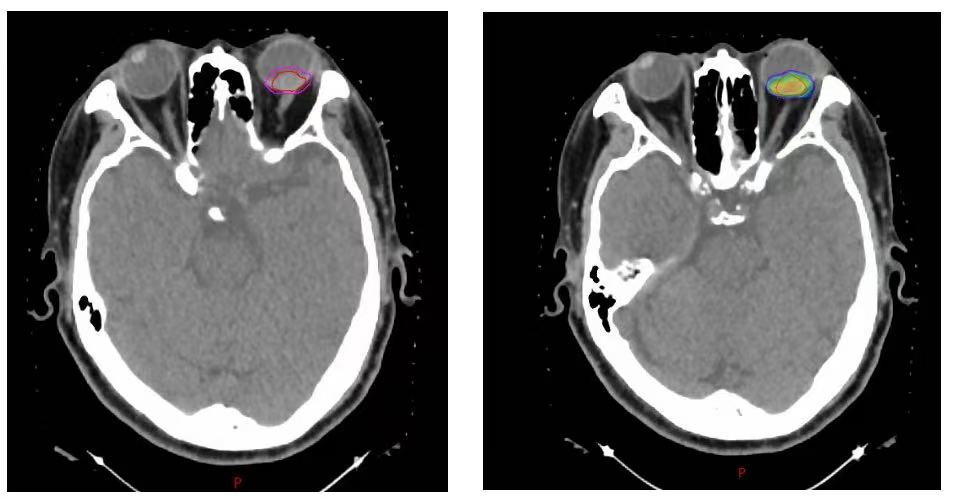
The source also showed imaging and treatment-planning visuals and described the center's proton treatment workflow. Detailed dose, imaging, and treatment-course statements should be verified against the original article before website publishing.
What This Does NOT Mean
This report does not mean every olfactory neuroblastoma or skull-base tumor patient is suitable for proton therapy, or that the same result should be expected. It describes one reported treatment case from a hospital or center source. Treatment relevance depends on diagnosis, tumor location, prior treatment, imaging, organ-at-risk constraints, available equipment, and clinician review.
How CareNavigator Can Help Patients Evaluate Relevance
For patients and families who see an update like this and wonder whether it may be relevant to their own situation, CareNavigator helps turn the news into a practical decision pathway. We help patients clarify their current diagnosis, treatment bottleneck, and decision point; compare whether China has relevant hospital, specialist, and technology options worth reviewing; coordinate case review with appropriate medical teams; and support the broader journey across hospital communication, pathway comparison, logistics, and follow-up planning. The final medical judgment remains with licensed clinicians and the responsible hospital team.
Tell us what your family is trying to decide. Contact CareNavigator and provide your diagnosis, current treatment situation, and key questions. CareNavigator can help you explore whether China has relevant hospitals, specialists, and treatment technologies worth reviewing, coordinate case review with appropriate medical teams, and support the next steps across hospital communication, pathway comparison, logistics, and follow-up planning.
Related CareNavigator Resources
- China Advanced Treatment Updates
- Why China
- How CareNavigator Helps
- China Treatment Navigation Guide
- Proton Therapy China vs Global Destinations
- How to Choose a Proton Therapy Center in China
Source-Led Update Note
This article summarizes publicly available reporting and cited source materials about medical developments in China. It is not CareNavigator's independent clinical assessment of the therapy and should not be read as medical advice for any individual patient. CareNavigator helps patients and families understand whether a reported China-based pathway may be relevant, compare options that may be worth reviewing, and prepare for informed conversations with qualified medical teams. Patient eligibility, risks, benefits, availability, and treatment decisions should be assessed by licensed clinicians and the responsible medical institution.
Source Notes
Primary source: Guangzhou Concord Cancer Center / Guangzhou Taihe-related official WeChat article, titled "全国首例!广州泰和完成‘嗅神经母细胞瘤颅底质子治疗’,国际前沿技术保住患者眼球", published July 2025.
Source URL: https://mp.weixin.qq.com/s/a8rTRUPmTmMIA2zFFKFcwQ
Do not reuse the source article's screenshots, clinical images, or equipment photos on the CareNavigator website without permission.