Complex Surgery or Advanced Oncology Abroad: What Patients Should Prepare
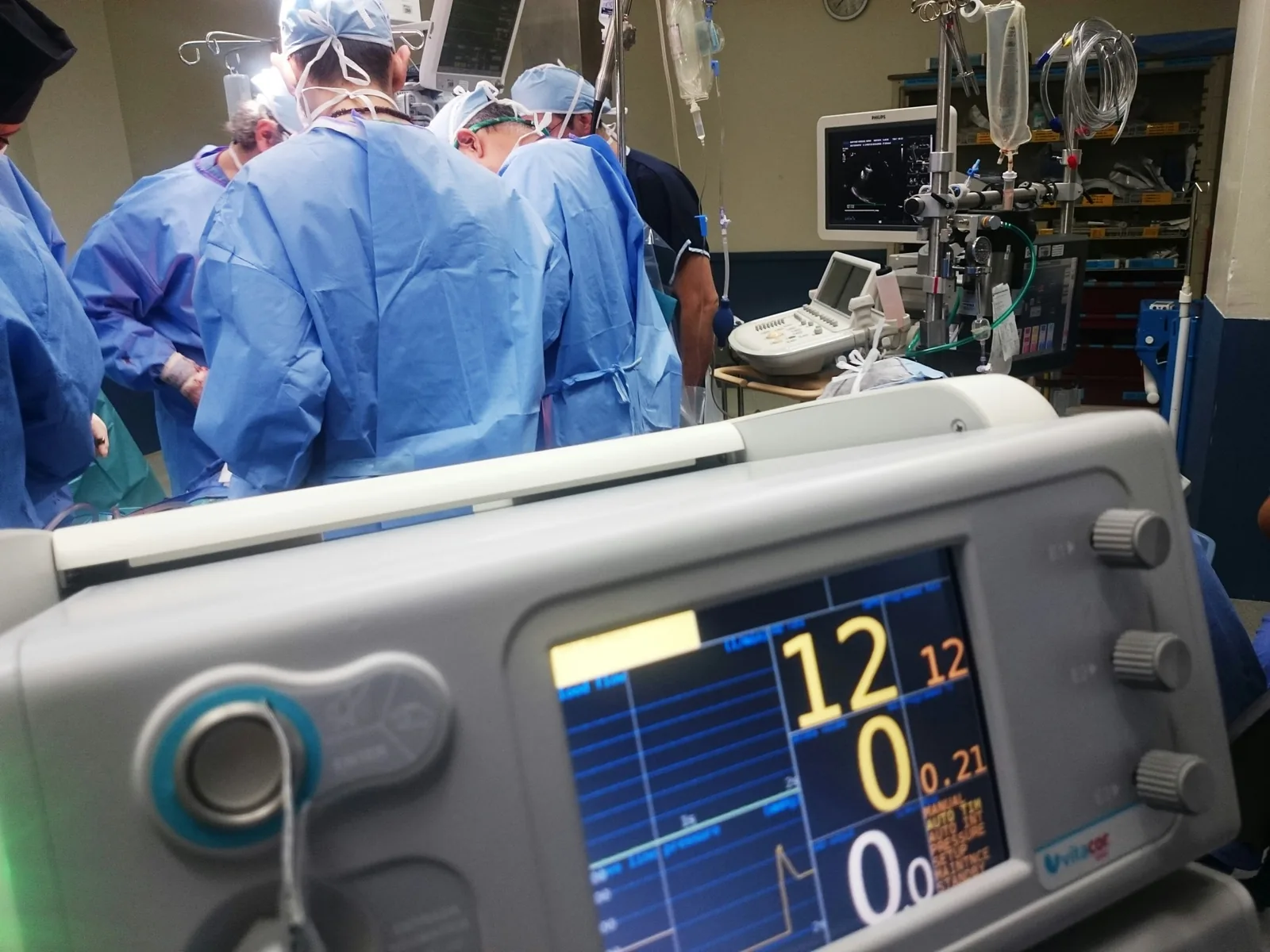
Photo by Natanael Melchor on Unsplash.
Key Takeaways:
Patients considering complex cancer surgery or advanced oncology care abroad are often facing time pressure, uncertainty, and difficult trade-offs. International treatment can sometimes offer a useful second opinion, access to specialized expertise, or a different clinical pathway. It can also create risks if the patient travels before the diagnosis is clear, the records are incomplete, or follow-up care has not been planned.
This guide explains what patients and families should prepare before pursuing surgery, radiotherapy, systemic therapy, cellular therapy, or other advanced oncology options outside their home country.
1. Confirm the clinical goal before comparing destinations
The right destination depends on the medical question. A patient seeking a second opinion after recurrence has different needs from a patient evaluating complex liver surgery, proton therapy, or treatment after multiple lines of systemic therapy.
Before comparing hospitals, write down the core question:
- Is another surgery technically possible and medically reasonable?
- Is radiotherapy, proton therapy, or another local treatment appropriate?
- Are there systemic therapy, clinical-trial, or cellular-therapy options worth reviewing?
- Is the main need treatment, confirmation of diagnosis, or symptom control?
- What would make travel worthwhile compared with care at home?
If the goal is unclear, a paid international pathway may become expensive without improving decision quality.
2. Build a complete case timeline
A concise timeline helps a reviewing specialist understand the case quickly. Include:
- Date of diagnosis and cancer type.
- Stage at diagnosis and current stage if known.
- Surgeries, procedures, complications, and pathology results.
- Systemic treatments with drug names, cycles, response, and side effects.
- Radiotherapy details, including dose and field when available.
- Progression dates and sites of disease.
- Current symptoms, nutrition, pain, weight, mobility, and performance status.
- Current medications, allergies, and other major conditions.
For complex surgery, operative notes, pathology slides or reports, current imaging, and cardiopulmonary fitness information may be especially important.
3. Ask whether the proposed option is medically realistic
Advanced oncology options are not interchangeable. A therapy that is technically available may still be unsuitable because of tumor type, disease extent, prior treatments, organ function, infection risk, performance status, or expected benefit.
Patients should ask:
- What evidence supports this option for my diagnosis and stage?
- Is the goal cure, disease control, symptom relief, or assessment only?
- What are the main reasons I might be declined after arrival?
- What tests would be repeated before final treatment approval?
- What alternatives should I consider if the plan changes?
A responsible plan should include uncertainty. If an overseas provider promises acceptance or outcomes before physician review, treat that as a warning sign.
4. Plan for travel, recovery, and complications
For complex surgery or advanced therapy, the treatment itself is only one part of the journey. Families should plan for:
- Pre-treatment testing and possible delays.
- Hospital stay, ICU needs, rehabilitation, or step-down care.
- Infection control and medication management.
- Emergency contacts and escalation pathway.
- Caregiver accommodation and translation support.
- Fit-to-fly assessment before returning home.
- Clear handoff to the home oncology or surgical team.
Patients should also check travel insurance limitations, especially for pre-existing cancer diagnoses and planned treatment abroad.
5. Review cost estimates carefully
A useful estimate should separate predictable costs from variable costs. Ask what is included in:
- Specialist consultations.
- Diagnostic tests and imaging.
- Procedure or treatment fees.
- Anesthesia, ICU, ward stay, medications, blood products, and pathology.
- Translation and international-patient coordination.
- Complications or extended hospitalization.
- Local accommodation and caregiver expenses.
- Follow-up visits or remote review after return.
The least expensive quote is not always the safest plan. The most useful quote is the one that explains assumptions and likely variables.
6. Keep the home medical team involved
Even when treatment occurs abroad, recovery usually continues at home. Patients should request discharge summaries, operative notes, pathology reports, imaging, medication lists, and follow-up instructions in a format their home clinicians can use.
Whenever possible, discuss the overseas plan with the home oncologist or surgeon before travel. This helps avoid conflicting treatments, unsafe medication changes, or gaps in follow-up.
Practical readiness checklist
- Diagnosis and staging confirmed.
- Recent imaging and DICOM files collected.
- Pathology and molecular reports available.
- Treatment timeline summarized.
- Current medicines and allergies listed.
- Fitness to travel discussed with a clinician.
- Clinical question clearly written.
- Cost estimate reviewed for inclusions and exclusions.
- Translation and informed-consent support planned.
- Follow-up handoff arranged with home clinicians.
How CareNavigator helps
CareNavigator helps patients organize medical records, identify the right clinical questions, request structured reviews, compare practical pathways, and prepare for travel and follow-up if overseas care is appropriate.
Care Navigator is designed around careful curation, responsible guidance, and long-term trust. We only recommend healthcare solutions we would personally stand behind.
Services:
- Initial Strategy Call - USD 29: A focused review of the patient's situation, missing documents, and next-step questions.
- Care Pathway Plan - USD 299: A written preparation plan covering records, specialist-review questions, cost categories, and logistics.
- Concierge Navigation - from USD 2,500: Coordination support for patients who proceed with hospital engagement and travel planning.
Request an initial strategy call with CareNavigator.
Book Your Initial Strategy Call - USD 29
FAQ
Is overseas advanced oncology always faster?
No. Timelines vary by hospital, specialist availability, missing records, required tests, visa/travel constraints, and clinical urgency.
Can a hospital confirm surgery before I travel?
A preliminary opinion may be possible, but final eligibility often depends on updated imaging, labs, anesthesia review, and in-person assessment.
What if the plan changes after arrival?
That can happen. Patients should ask in advance about alternative options, refund policies, extra costs, and support for returning home.
Should I travel if my condition is unstable?
Discuss this with your treating clinician first. Medical travel can be unsafe for patients with unstable symptoms, high infection risk, severe organ dysfunction, or poor performance status.
Related Articles
- How to Choose a Proton Therapy or Advanced Treatment Center Without Relying on Rankings
- Proton Therapy in China vs. Singapore, USA, Japan, and Europe: A Global Comparison of Cost, Quality, and Access
- Cancer Treatment in Guangzhou for Bangladeshi Patients and Families: Advanced Diagnosis, Treatment, and Family Support