Cancer Treatment in China for Uzbek Patients: What Families Should Know Before Sending Records
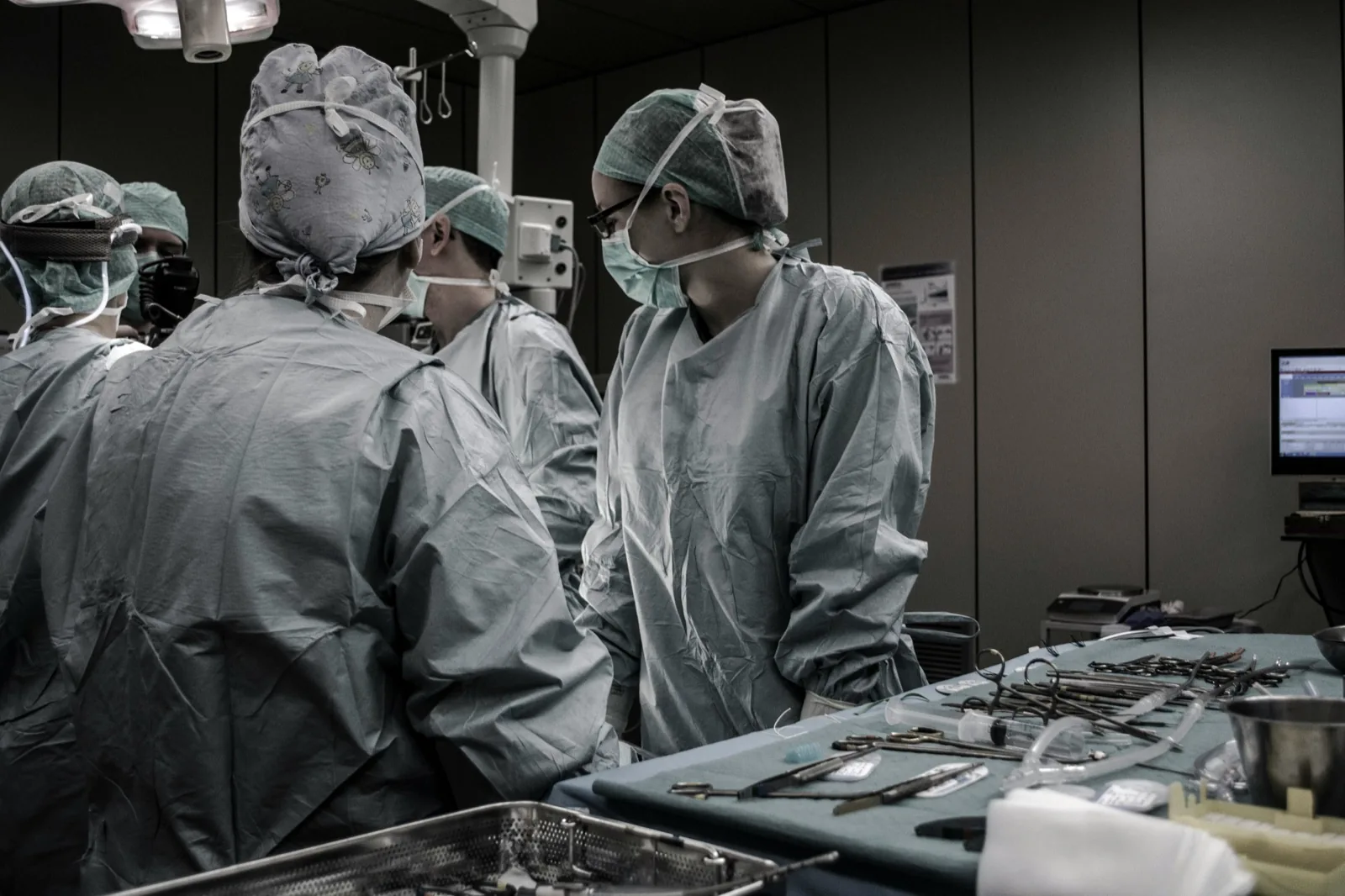
Photo via Unsplash.
Quick Answer
Uzbek families considering cancer treatment in China should not start by asking for "the best hospital." Start with the case. A China hospital review usually needs a clear diagnosis, pathology, imaging, treatment history, current condition, and the decision the family is trying to make. Once the case is clear, China may be worth comparing for selected oncology pathways, including complex surgery, advanced radiotherapy, systemic therapy review, or multidisciplinary cancer planning. CAR-T and cellular therapy pathways may be relevant in selected blood cancer settings and can be explored through appropriate specialist review.
For Uzbek patients, China can be practical because of distance, growing regional ties, and the depth of Chinese hospital resources. But the pathway must be prepared well. A weak record package creates delays. A vague hospital request creates confusion. A low initial quote can become misleading if it does not reflect the real treatment plan.
Why Uzbek Families Look Abroad
Many Uzbek families already compare countries for serious care. India, Turkey, Russia, Korea, Germany, and China may all enter the conversation. Some families are looking for lower cost. Some want advanced treatment. Some want a faster review. Some have already tried one pathway and are not confident it is enough.
China is increasingly relevant because it combines major public hospital capacity, advanced oncology technology, and practical access from Central Asia. China and Uzbekistan have been developing easier travel ties in recent years, including a mutual visa exemption agreement for short stays. Families should confirm current entry requirements with the Chinese official visa site, the relevant consular channel, or a qualified visa/travel professional before booking, as policy can change. Easier travel does not remove the need for medical planning, but it can lower one practical barrier for families who need to travel.
Still, the first step should not be buying a ticket. It should be preparing the case.
What To Prepare Before Sending Records
A good review package should tell the story quickly. Doctors should not have to guess what happened.
Prepare these items if available:
- Diagnosis summary in English, Russian, or Chinese
- Pathology report and immunohistochemistry
- Imaging reports and DICOM files, not only screenshots
- PET-CT, MRI, CT, ultrasound, or other relevant scans
- Biomarker or genetic test reports
- Surgery notes, discharge summaries, and treatment plans
- Chemotherapy, immunotherapy, targeted therapy, or radiotherapy history
- Current medications and major medical conditions
- Recent blood tests and organ function reports
- A short question list from the family
If records are in Uzbek or Russian, translation may be needed. It does not always need to be perfect literary translation. It needs to be medically clear enough for the receiving team to understand diagnosis, stage, prior treatment, and current decision point.
What A China Review Can And Cannot Answer Remotely
Remote review can often help a family understand whether a China pathway is worth exploring. It may clarify which department or hospital type fits the case, whether more records are needed, and what the likely next step might be after arrival.
But remote review has limits. A doctor may still need updated imaging, pathology review, physical examination, or local tests before confirming a treatment path. Families should expect that the plan may change after arrival. That is not a failure. It is how complex oncology works.
This is why families should avoid making decisions only from a short quote or a simple message that says "come for treatment." The better question is: what exactly will be reviewed, by whom, and what could change after examination?
China Compared With India And Turkey
India and Turkey are already familiar medical travel destinations for many Central Asian families. They can offer strong hospitals and international patient services. But families should still ask hard questions.
For India, ask whether the hospital and doctor are the right fit for the specific cancer type, whether the quote reflects the likely full pathway, and how follow-up will work after returning home.
For Turkey, ask whether the package is built for complex oncology or mainly for simpler medical travel. Clarify what is included, whether additional tests may change the plan, and who is responsible for follow-up.
For China, the biggest challenge is often not clinical depth. It is navigation. Families need help finding the right hospital route, preparing records, understanding public versus private pathways, and managing language, apps, payment, accommodation, and hospital workflow.
How CareNavigator Helps Uzbek Families
CareNavigator helps Uzbek families prepare before sending records, not after confusion has already started. We help turn scattered reports into a clear case summary, identify China-based hospital or specialist pathways worth reviewing, and coordinate the next step with appropriate medical providers.
We also help families think through the practical side: translation, caregiver travel, city choice, accommodation, local transport, expected hospital workflow, and follow-up with home doctors.
The value is simple: do not enter China's medical system blindly. Enter with a clearer question, better records, and a pathway that makes sense for the case.
Tell us your situation. If your family in Uzbekistan is considering cancer treatment in China, CareNavigator can help you prepare the right records, understand whether China has relevant options to review, and coordinate next steps with appropriate medical providers.
Medical Boundary Note
This article is for general educational purposes. It is not medical advice and does not imply that any patient will be accepted, treated, or benefit from treatment in China. Suitability, timing, cost, and treatment decisions depend on individual review by qualified healthcare professionals and medical institutions.
Source Notes
- China-Uzbekistan visa-free agreement: https://www.visaforchina.cn/TAS3_EN/tongzhigonggao/382831561143357440.html
- Uzbekistan government note on China visa-free travel: https://gov.uz/en/mfa/news/view/53659
- Uzbekistan outbound demand signal: https://medyonix.com/india-the-healing-hub-for-uzbekistans-hopeful-patients/
- Medical tourism service-chain review: https://pmc.ncbi.nlm.nih.gov/articles/PMC10979769/